Sunday, March 24, 2019

Biotechnology Biology Students Presented at the Central Sound Regional Science and Engineering Fair on March, 16.

Our first year students competed in the CSRSEF on Saturday, March, 16. It was a long day of presenting projects to judges and awaiting decisions.  Students entered their projects in a variety of subject areas from computational biology to mechanical engineering and from behavioral sciences to environmental sciences.  Several teams earned recognition and rewards at the event.  And all teams qualified to move on to the next level at the Washington State Science and Engineering Fair.
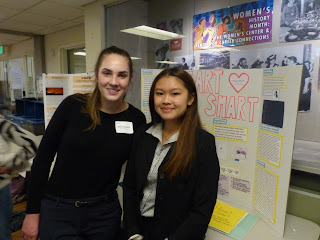
They created an app to monitor your daily health. Heart Smart.

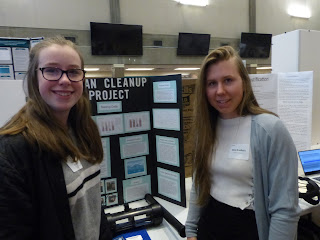
They created an instrument that could help with the cleanup of plastics from our oceans. They earned an award of excellence and honorable mention in the category they entered.

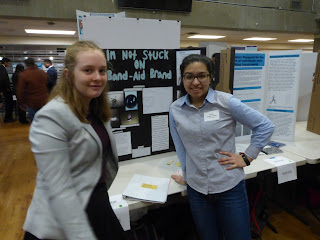
Their project focused on designing a better, biodegradable bandage.

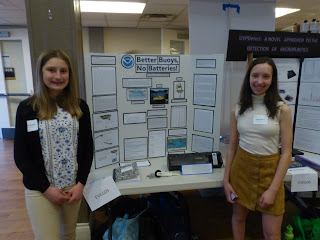
This project aimed at helping NOAA improve their data collection buoys.  They earned an award of excellence for their project.

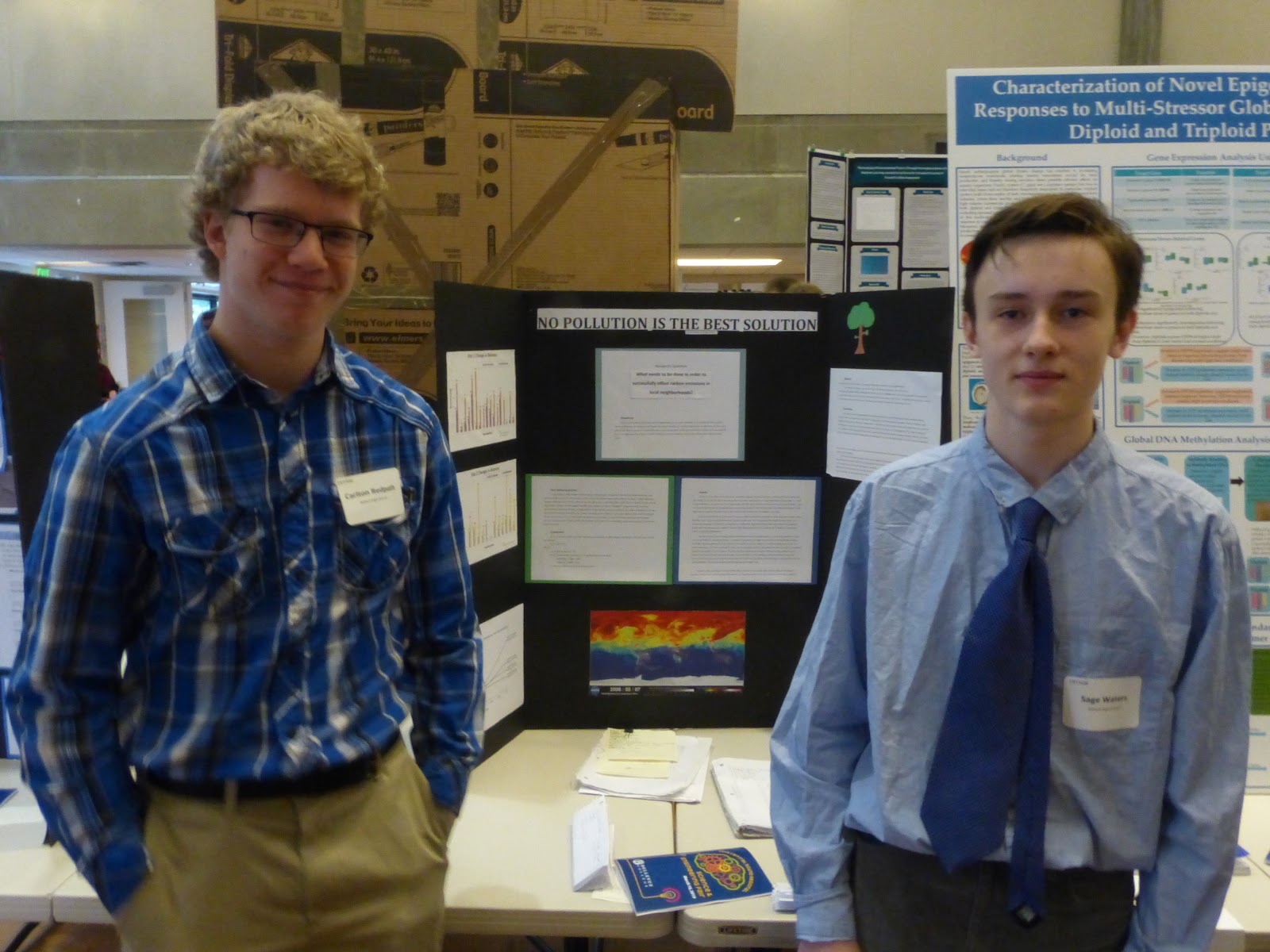
Plant more trees!  Their project analyzed how trees can help with carbon sequestration-removing carbon dioxide from our atmosphere.

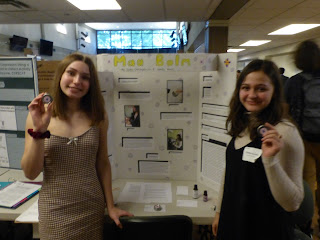
Making environmentally sustainable products to use on our skin. Creative project on minimizing the impact of our throw away culture whilst creating a natural product.


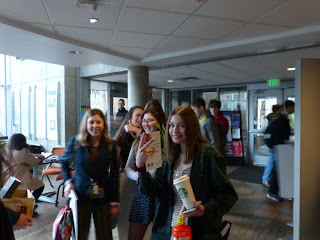
Registering for the day at Bellevue Community College.

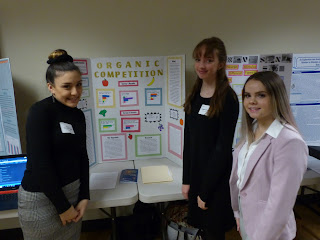
Their project focused on surveying people's choices of organic vs. inorganic produce and how one might shift those choices.

How can we convince people to not pour grease down the drain?  Their project entailed designing an eco-friendly way to dispose of grease. They won first prize in the Mechanical Engineering category.

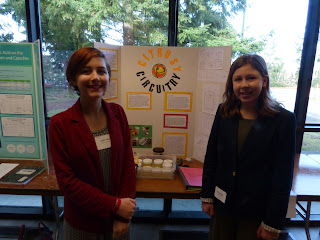
Using fruits to conduct electricity?  Oh yes you can. They won an award of excellence for their creative project.


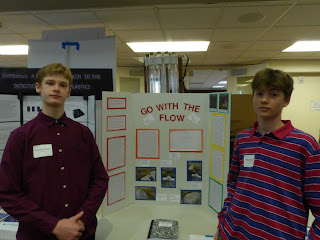
Can we capture energy from flowing currents of water?  Yes we can!

Another project on reducing carbon dioxide in our atmosphere.  Clearly, a critical chemical problem that needs to be addressed and solved.

What is the sustainable way to grow plants without impacting the environment?  This team was searching to find a more sustainable fertilizer.


The following students took home awards and special recognition:
Lydia Rice and Betty Haas won an award of excellence for their project: Citrusy Circuits.
Abi Russell and Darby Moore won an award of excellence for their project: Improving Data Collection Buoy Design and Sustainability.
Alice Brasher and Elsa Rediger won an award of excellence for their project: Ocean Clean up Project.  They also won honorable mention in the Earth and Environmental Science category.
Thomas Bioren and Jaimie Richards won first place in the Mechanical Engineering category for their project: Grease Ceaser


Sunday, February 24, 2019

Mid-Winter Activities in Between Snow Days!

It has been a busy and a bit chaotic February. Five snow days have thrown schedules out of whack.  Biotech/biology students are preparing for the Central Sound Regional Science and Engineering Fair that will take place on March 16, 2019 at Bellevue College.  Students are working in groups in either science research or engineering categories.  Students had a chance to present rough drafts of their ideas to science judges on Feb. 8.  In the upcoming weeks, students will perfect and complete their projects for the actual competition.
How to filter water?  An idea to improve water quality in schools-very timely.

Are we ready for H fuel cells in planes?  Thumbs up says this young innovator.

Before you can grow your bacteria, you have to prepare the media.  Prepping for their experiment and learning aseptic technique.

Cleaning our oceans?  Here is a prototype.  Soon to be tested.

Developers of a biodegradable bandage that sticks, but can unstick.

Wednesday, January 30, 2019

Conservation and Consumption Unit Includes Fieldtrip to the Bullitt Center

In biotech/biology, students were engaged in an integrated project where they collected their own personal garbage and weighed and sorted it every day for a 10-day period.  All the while, they learned about composting, recycling, and waste in Seattle.  At the end of the garbage collection period, all biotech/biology students went on a field trip to the Bullitt Center-the greenest commercial building in the world!  For students, the project continues into 2nd semester where they will analyze their consumption
Enthused about weighing consumed products.

Sorting after weighing.

Fast Food Nation

La Croix tops metal recycling!

Weighing garbage.

Packing it up for recycle, compost, and garbage.

Bullitt Center Hydrology-Amazing! They capture all of their water for building use.

The bathrooms were a big hit!

Solar panel roof!  They generate more electricity than they use.

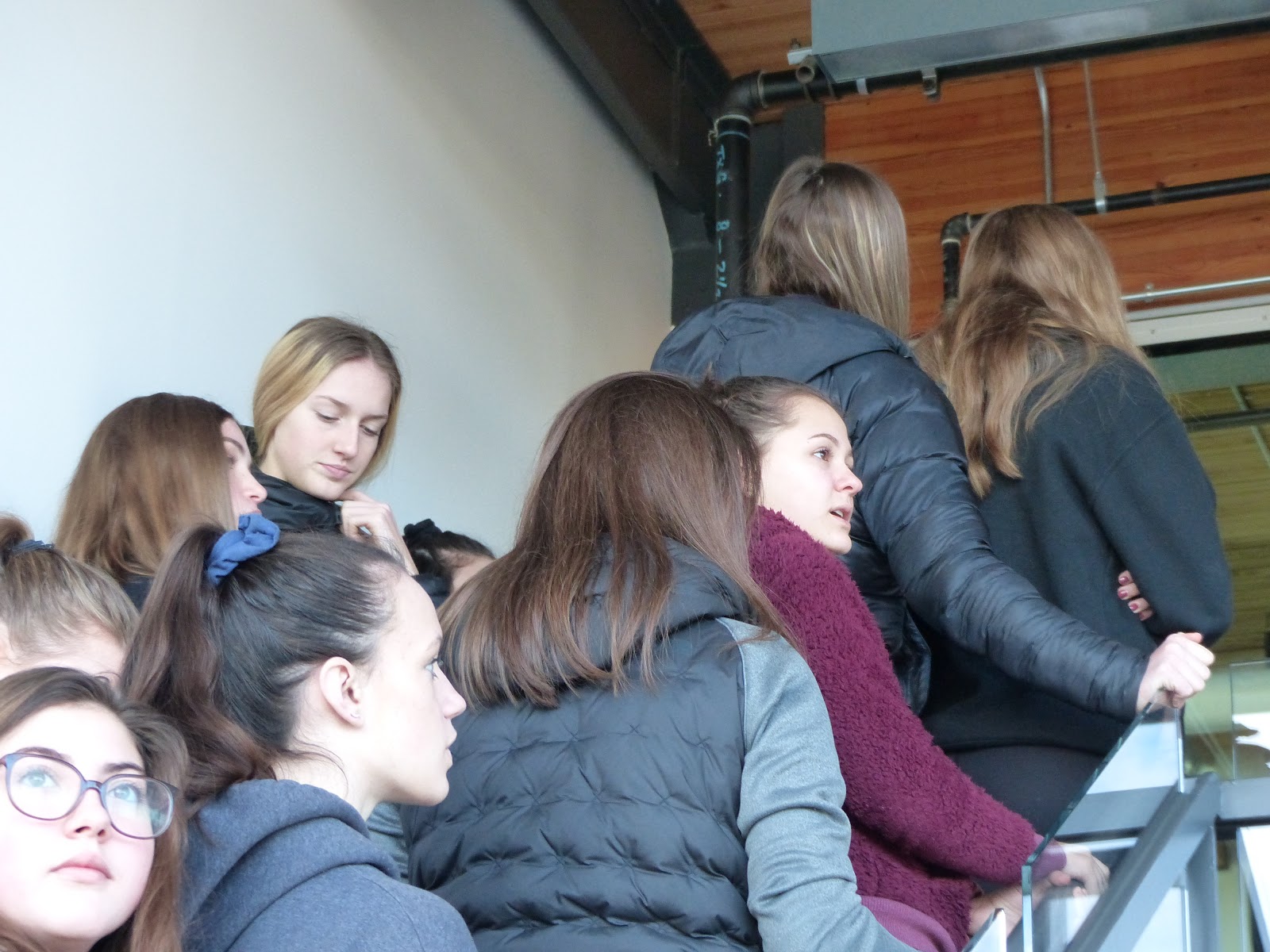
Taking the stairs.

Taking the stairs-the best option, energy wise.

And why wouldn't you take the stairs? Look at the view!

A little duck, duck, goose whilst waiting for the tour.

Sunday, December 30, 2018

Getting to winter break.

As December was winding down, biotechnology students continued making progress in their lab investigations of our world.  Biology students have been learning about cell energy, the cell cycle, and genetics.  Chemistry students have been diving deeper into chemical bonding. Genetics students have been learning about  the dogma of molecular biology.

Choosing spinach leaves for photosynthesis experiment.

Waiting for data collection from light reactions.

Successful gel load!

Steady two-handed loading technique.

Analyzing DNA gel on transilluminator.

Teamwork!

Sunday, November 25, 2018

Whidbey Island Tree Farm Fieldtrip to Monitor Long-Term Ecological Study Sites in the Forest

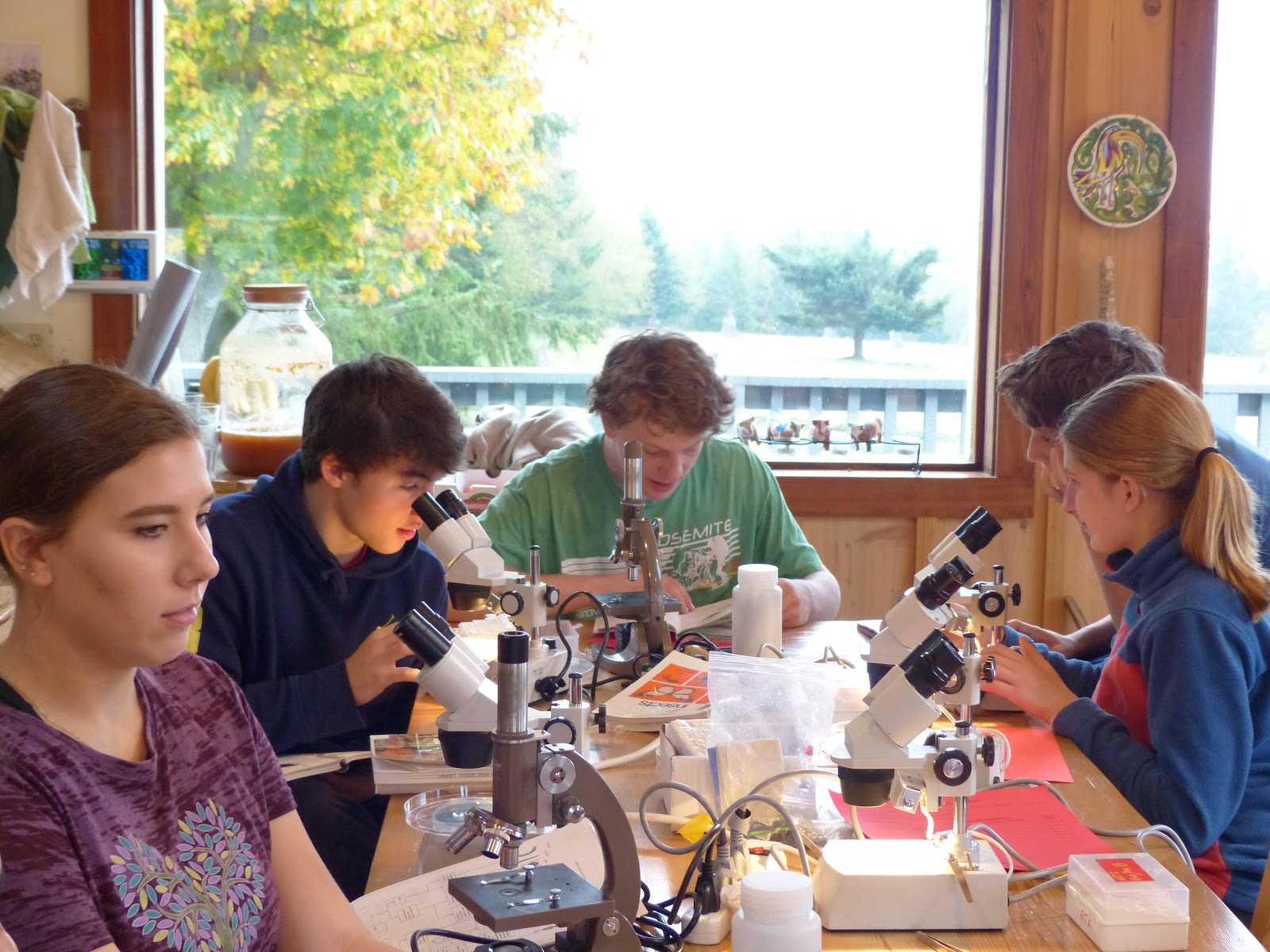
Every year in the fall and sometimes in the spring, we take 26 students up to an ecological study site on Whidbey Island, donated by the DeBell family, to learn about forest growth and ecological succession, the effects of re-forestation, and carbon sequestration of hardwood and softwood forests.  Students participate in several field studies, working together to collect data and then later to analyze and present data to each other. During the trips, we first work on community building by introducing students to each other.  They come from three different classes of biotech academy students. (Biology, chemistry, and genetics cohorts may all participate.)  Students cook meals together and eat together.  In the fall, we also have the opportunity to harvest apples to make fresh apple cider and feed the cows.  This fall trip was cold, but sunny.  The rain held back until Saturday morning when students were busy analyzing and presenting data.  It was another successful trip!
Getting to know you-Playing screaming toes!

Hanging out with the cows.

Tree identification on site.

Collecting data from WIT 1.

Capturing macroinvertebrates with the beating sheet.

Taking temperature 2 meters above ground level.

Rotting tree bed?  Might be a new interior design thing.

Oregon salamander found at WIT 1 and released.

Tree huggers, hugging the Western red cedar mother tree.

Alder forest on the way to the WIT sites.

Successful plankton tow from pond.

Posing and fishing from the dock.

Using the manual cider press to make the best cider ever!

And the Saturday morning data crunch.

Identifying critters from the study sites.

Presenters explaining how to measure the volume of a tree.

The ferry ride home in the rain. Flashing BT signs to represent!